Discover Comprehensive Mental Health Services for Women Across the UK
In-Depth Exploration of NHS Mental Health Support Tailored for Women
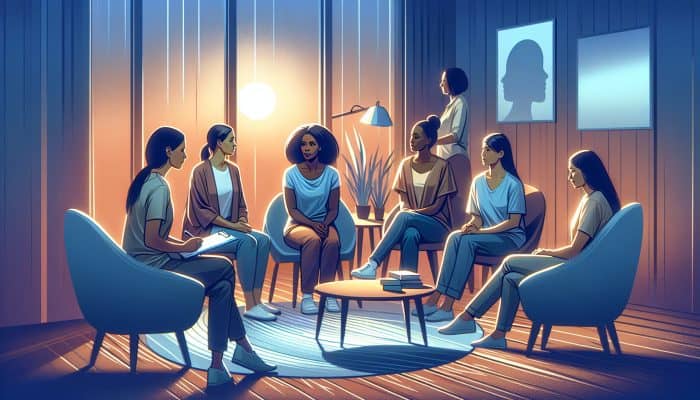
Mental Health Resources for Women: The NHS offers a wide range of mental health services specifically designed to meet the unique needs of women throughout the UK. These services include therapeutic interventions such as therapy, counselling, and psychiatric care, all aimed at improving women’s mental well-being. The NHS is dedicated to accessibility, presenting various options like talking therapies, Cognitive Behavioural Therapy (CBT), and specialized support for conditions including postnatal depression and anxiety disorders.
Women can initiate their journey toward better mental health by consulting their General Practitioner (GP), who can offer important guidance and refer them to suitable services. This access is particularly advantageous for women experiencing life transitions, relationship difficulties, or the stress of juggling work and family responsibilities. The NHS emphasizes early intervention, which is crucial for delivering timely support and preventing the worsening of mental health issues.
In addition, the NHS provides numerous digital mental health resources, allowing women to conveniently access support from the comfort of their homes. Initiatives like Every Mind Matters empower individuals to take control of their mental health through personalized action plans and self-help resources. This blend of in-person and digital support ensures that mental health resources are accessible and tailored to the diverse needs of women throughout the UK.
What Private Mental Health Care Options Are Available for Women?
For women considering alternatives beyond the NHS, private mental health care in the UK presents a viable option. This sector provides faster access to mental health specialists and a wider variety of therapeutic approaches. Many women find that private care aligns more closely with their personal needs, especially if they require immediate attention or prefer a specific type of therapy that may not be readily available through the NHS.
The costs associated with private mental health services can vary widely, influenced by factors such as the type of therapy chosen, the therapist’s level of experience, and geographical location. Women often have the option to pay for services out-of-pocket or utilize private health insurance, which may cover all or part of the treatment costs. This financial flexibility can alleviate stress, allowing more women to prioritize their mental health without enduring the long wait times often experienced with NHS services.
A significant advantage of opting for private care is the ability to choose a therapist based on personal preferences, which can greatly enhance the therapeutic relationship and improve overall outcomes. Women can explore various modalities, including psychoanalysis, art therapy, and EMDR (Eye Movement Desensitisation and Reprocessing), personalizing their mental health experience to meet their unique needs.
How to Access Community-Based Mental Health Resources for Women
Community-based mental health resources play a crucial role in bolstering women’s mental health across the UK. Local charities and community centres frequently offer a diverse range of services, including support groups, workshops, and outreach programmes specifically designed for women. These organizations foster a nurturing environment where women can connect with others facing similar challenges, creating a sense of belonging and mutual understanding.
Many community initiatives focus on particular issues such as domestic violence, trauma recovery, and stress management, providing targeted support that resonates with women’s lived experiences. For instance, organizations like Women’s Aid offer both practical and emotional support, while local mental health charities often host workshops aimed at developing coping skills and resilience.
Additionally, community mental health initiatives are especially valuable in areas where access to formal mental health services is limited. By bridging the gap between women and the available resources, these initiatives ensure that support is accessible to everyone, regardless of socioeconomic status or geographical location. This grassroots approach not only expands the reach of mental health services but also empowers women to take an active role in managing their mental health.
Key Insights on Mental Health Resources for Women

What Are Real-World Examples of Effective Mental Health Interventions?
Real-world examples of successful mental health interventions showcase the effectiveness of resources available to women in the UK. Numerous case studies reveal how personalized support has led to significant positive outcomes. For instance, women participating in community-based mindfulness workshops have reported a substantial decrease in anxiety levels and an enhancement in their coping skills.
- A woman coping with severe anxiety found significant relief through a combination of CBT and group therapy, which empowered her to manage her symptoms more effectively and rebuild her confidence.
- Another participant in a local support group for new mothers successfully overcame postnatal depression by sharing her experiences and receiving peer support, fostering a nurturing atmosphere.
- A charity focusing on trauma-informed care effectively assisted women recovering from abusive relationships by providing therapeutic interventions and resources aimed at rebuilding their lives.
- Women engaged in outdoor therapy programs reported improved mood and a deeper connection to nature, significantly enhancing their overall mental wellness.
These examples highlight the importance of personalized interventions. Women can thrive through a variety of therapeutic approaches, and access to diverse resources can be transformative. The successes achieved through these interventions not only demonstrate the efficacy of mental health resources but also inspire others to seek assistance and take proactive steps toward improving their mental health.
How to Choose the Right Mental Health Resource for Women
Selecting the right mental health resource is vital for women seeking support in the UK. Begin by assessing personal mental health needs. Consider specific challenges faced, whether they involve anxiety, depression, or other concerns, and identify which type of support resonates most, such as counselling, therapy, or peer support.
Next, explore the various resources available. Women should consult their GP to discuss options and obtain referrals to suitable NHS services. It is also wise to research local charities and community centres that may offer specialized programmes closely aligned with individual experiences. Women can utilize online platforms to access private mental health care options, allowing for comparisons of services based on reviews and qualifications.
- Identify your personal needs and preferences regarding the type of therapy.
- Consult with a GP for referrals to NHS services.
- Research local community resources and charities.
- Explore online platforms for private mental health options.
Lastly, women should evaluate potential therapists or support groups by considering their qualifications, areas of expertise, and compatibility. It is critical to feel comfortable and understood by the chosen professional or support network. This thoughtful process will empower women to select resources that genuinely resonate with their individual journeys and contribute to positive mental health outcomes.
What Insights Do Experts Offer on the Effectiveness of Various Therapeutic Approaches?

The effectiveness of various therapeutic approaches in the UK is well-established, particularly concerning women’s mental health. cognitive behavioural therapy (CBT) has proven to be a highly effective method for treating conditions such as anxiety and depression. Research indicates that CBT can lead to significant reductions in symptoms and improved coping strategies, making it a preferred first-line treatment option.
Mindfulness-based therapies are also gaining traction, equipping women with tools to manage stress and anxiety through present-moment awareness. Evidence suggests that mindfulness practices can enhance emotional regulation and resilience, contributing to overall mental well-being. Group therapy, especially for issues like postnatal depression or trauma, facilitates the sharing of experiences and mutual support, underscoring the importance of community in the healing journey.
Expert opinions consistently emphasize the necessity for a personalized approach to therapy. Different women may respond uniquely to various modalities, and practitioners must evaluate individual needs and preferences. Combining therapies, such as medication alongside CBT or mindfulness practices, can yield superior results, particularly for those experiencing severe symptoms. This nuanced understanding of therapy effectiveness highlights the importance of individualized care, ensuring women have access to the most suitable resources for their mental health journeys.
What Steps Can Women Take to Access Mental Health Support in the UK?
What Are the Steps to Access Help Through the NHS?
Accessing NHS mental health services is a straightforward process for women in the UK. The first step involves contacting a General Practitioner (GP), who plays a crucial role in identifying mental health needs and providing referrals. Women can openly discuss their concerns with their GP, who will assess the situation and recommend appropriate services tailored to individual requirements.
Once referred, women may be directed to various services, including talking therapies, counselling, or specialized psychiatric support. The NHS employs a diverse range of professionals, including psychologists, therapists, and psychiatrists, who work together to ensure comprehensive care. Importantly, women should be aware of their rights regarding mental health services, including the right to request a second opinion if they feel dissatisfied with the initial response.
In recent years, the NHS has made significant advancements in improving access to mental health services, implementing initiatives to reduce waiting times and expand the availability of community-based programmes. Women are encouraged to remain persistent and advocate for their needs, as early intervention can greatly enhance outcomes and improve their quality of life.
What Private Options Are Available for Mental Health Care?
Private mental health care in the UK offers a range of options for women seeking personalized support. Women can access private therapy through direct payment or health insurance, leading to a more tailored experience. Private practitioners typically provide a broader spectrum of therapies, including specialized options like art therapy and hypnotherapy, catering to individual preferences and needs.
Women interested in private mental health care can start by researching local clinics or therapists. Online directories and platforms facilitate the comparison of practitioners based on qualifications, specializations, and client reviews. This transparency empowers women to make informed choices when selecting a therapist.
Many private practices offer flexible session times to accommodate women’s busy schedules. Furthermore, online therapy has gained popularity, allowing women to connect with qualified therapists from the comfort of their homes. This flexibility reduces barriers and improves accessibility to mental health care.
Are There Specialized Services Available for Different Mental Health Issues?
In the UK, specialized mental health services cater to various issues faced by women, including conditions such as postpartum depression, anxiety disorders, and eating disorders. These services aim to provide targeted support, recognizing that women’s mental health needs can differ significantly from those of men.
Postnatal depression, for example, is a common concern among new mothers. The NHS offers specialized services, including support groups, counselling, and therapy specifically designed to address this condition. Similarly, women dealing with anxiety disorders can access dedicated anxiety management programmes that utilize evidence-based approaches such as CBT.
It is essential for women to be aware of these specialized services, as they often lead to more effective treatment outcomes. Many regions also feature local charities focusing on specific mental health issues, providing additional resources and support. Women should not hesitate to reach out to their GP or local mental health services to inquire about these specialized options, ensuring they receive optimal care for their unique circumstances.
What Community and Charity Support Is Available for Women’s Mental Health?
Community and charity support for women’s mental health in the UK is extensive and diverse, offering a wealth of resources tailored to meet various needs. Numerous charities, such as Mind and Women’s Aid, provide support services, helplines, and workshops focused on issues pertinent to women’s mental health, such as domestic violence and trauma recovery.
Local community centres also play a vital role in providing support groups and workshops that foster discussion and healing among women. For instance, peer-led support groups create safe spaces for women to share their experiences, learn coping strategies, and build resilience. These community-driven initiatives empower women, promoting solidarity and understanding among participants.
Furthermore, many charities conduct outreach programmes that educate women about mental health issues and available resources. This proactive approach not only raises awareness but also encourages women to seek help without stigma. Whether through helplines, online forums, or in-person workshops, these services provide essential support, helping women navigate their mental health challenges with confidence.
Research-Backed Benefits of Mental Health Resources for Women
What Proven Outcomes Can Therapy Offer Women?
Research underscores the substantial benefits of therapy for women in the UK, highlighting its vital role in improving mental health outcomes. Studies reveal that engaging in therapeutic interventions can lead to significant reductions in symptoms of depression and anxiety, with many women reporting enhanced overall well-being and improved quality of life.
Therapy provides women with a safe space to explore their emotions and develop coping strategies, which can be particularly effective in addressing issues like relationship difficulties, trauma, or life transitions. The therapeutic alliance formed between women and their therapists is crucial; a strong, trusting relationship fosters greater openness and vulnerability, facilitating deeper healing.
Moreover, evidence suggests that women who participate in group therapy benefit from shared experiences and emotional support, significantly reducing feelings of isolation. The communal aspect of therapy reinforces the notion that women are not alone in their struggles and promotes the exchange of coping mechanisms, thereby enhancing the recovery process.
How Do Support Groups Benefit Women’s Mental Health?
Support groups serve as a cornerstone of mental health resources for women, providing a platform for shared experiences and emotional connection. These groups cultivate a sense of community, allowing women to feel understood and validated in their struggles. Engaging with others who share similar challenges creates a supportive environment crucial for emotional healing.
Women often report that participation in support groups alleviates feelings of loneliness, a common issue faced by individuals dealing with mental health concerns. The opportunity to openly discuss experiences, feelings, and coping strategies enhances individual resilience and equips women with tools to manage their mental health more effectively.
Additionally, support groups typically focus on specific issues such as anxiety, depression, or trauma recovery, providing women with targeted support. Facilitated by trained professionals or peer leaders, these sessions can introduce therapeutic techniques and strategies, offering women valuable insights and practical skills for navigating their mental health journeys. Consequently, support groups not only enhance emotional well-being but also empower women to take proactive steps in managing their mental health.
What Role Does Medication Play in Mental Health Treatment?
Medication can significantly contribute to the mental health treatment of women, particularly when prescribed appropriately by qualified healthcare professionals in the UK. Antidepressants and anxiolytics, for instance, can effectively alleviate symptoms of depression and anxiety, enabling women to engage more fully in therapy and daily activities.
While medication can be an integral part of mental health care, it should be viewed as part of a holistic treatment plan. Many women discover that integrative approaches, combining medication with therapeutic interventions like CBT or mindfulness-based therapies, yield better overall outcomes by addressing both symptoms and underlying issues.
Women should feel empowered to discuss any concerns regarding medication with their healthcare providers, including potential side effects and treatment duration. It is crucial for women to have a clear understanding of their treatment plan and to make informed decisions that align with their individual needs and preferences. Open communication with healthcare professionals is key to ensuring that medication serves as a beneficial tool in their mental health journey.
How Can Online Resources Enhance Women’s Mental Health?
Online resources have transformed the landscape of mental health support for women in the UK, providing accessible information and self-help tools. Websites dedicated to mental health offer educational materials, coping strategies, and interactive content, empowering women to explore various topics related to their mental well-being.
Online therapy platforms have emerged as effective alternatives to traditional face-to-face sessions, enabling women to connect with qualified therapists via video calls, chat, or email. This flexibility accommodates busy schedules and diminishes barriers to access, especially for those in rural areas or with mobility challenges.
Additionally, mobile apps focused on mental health can enrich self-care routines, offering features such as mood tracking, guided meditations, and mindfulness exercises. These digital tools empower women to take control of their mental health, providing resources that can be accessed anytime, anywhere. By incorporating online resources into their mental health practices, women can build resilience and develop essential coping skills, ultimately improving their emotional well-being.
What Impact Does Exercise Have on Women’s Mental Well-Being?
Regular exercise greatly influences women’s mental well-being, serving as a powerful strategy for managing stress and alleviating symptoms of depression and anxiety. Research conducted in the UK illustrates the positive correlation between physical activity and improved mental health outcomes, showing that exercise can elevate mood and enhance overall life satisfaction.
Engaging in physical activity releases endorphins, the body’s natural feel-good hormones, resulting in an immediate uplift in mood. Women participating in group exercise classes often experience additional psychological benefits, including social interaction and support. This communal aspect further boosts motivation and accountability, facilitating the maintenance of a consistent exercise routine.
Moreover, incorporating exercise into daily life nurtures resilience, as the discipline required to remain active often translates into improved coping strategies in various areas. Whether through walking, yoga, or team sports, women can discover numerous enjoyable methods to enhance both their physical and mental well-being. Investing in regular physical activity is not only advantageous for physical health but also constitutes a critical component of a comprehensive mental health strategy.
Effective Strategies for Mental Health Resources Tailored to Women
How to Build a Personal Mental Health Support Network
Establishing a personal mental health support network is essential for women aiming to enhance their emotional well-being in the UK. Connections with friends, family, and mental health professionals create a robust system of care that promotes understanding and support. Women can begin by identifying individuals in their lives who can provide emotional support and openly share their feelings and experiences with them.
Additionally, reaching out to mental health professionals, such as therapists or counsellors, provides structured support and guidance. Women should not hesitate to seek assistance from community resources, including support groups and workshops, as these environments present opportunities to connect with others facing similar challenges.
- Identify trustworthy individuals in your circle who can offer emotional support.
- Communicate openly about your mental health needs and experiences.
- Engage with mental health professionals for structured support.
- Participate in community support groups to expand your network.
Establishing regular check-ins with supportive friends or family members can also be beneficial, fostering ongoing communication and connection. By actively cultivating a personal support network, women can build a safety net that supports their mental health and fosters resilience during challenging times.
Integrating Self-Care into Daily Routines for Enhanced Well-Being
Incorporating self-care practices into daily routines is crucial for women in the UK seeking to improve their mental health. Simple practices such as exercise, meditation, and journaling can have a significant impact on emotional well-being. Women should prioritize self-care by allocating dedicated time each day for activities that encourage relaxation and self-reflection.
Regular exercise, whether through walking, yoga, or dancing, can help reduce stress and elevate mood. Additionally, mindfulness practices such as meditation or deep-breathing exercises foster a sense of calm and enhance emotional resilience. Journaling serves as a valuable outlet for self-expression, allowing women to effectively process their thoughts and feelings.
Moreover, women should explore activities that bring joy and fulfilment, whether engaging in hobbies, spending quality time with loved ones, or enjoying nature. By integrating these self-care practices into their daily lives, women can cultivate a balanced lifestyle prioritizing their mental health, thereby fostering resilience and overall well-being.
Utilizing Online Resources and Apps for Mental Health Management
Online resources and mental health apps provide an accessible avenue for women in the UK to effectively manage their mental health. These platforms offer a variety of tools, including guided meditations, mood tracking, and educational materials on mental health topics. With the ability to access resources anytime and anywhere, women can take proactive steps to enhance their mental well-being.
Many mental health apps feature interactive components that encourage users to engage in self-care practices and develop coping strategies. For instance, apps that prompt daily reflections or gratitude exercises can promote positive thinking and mindfulness. Additionally, online platforms facilitate access to virtual therapy sessions, enabling women to connect with qualified professionals from the comfort of their homes.
Women should explore different online resources to identify those that resonate with their individual needs and preferences. By integrating these digital tools into their mental health practices, women can cultivate resilience, develop essential coping skills, and foster an ongoing commitment to self-care and well-being.
What Challenges Do Women Face in Accessing Mental Health Care?
How Does Stigma Affect Women Seeking Help?
The stigma surrounding mental health presents significant challenges for women seeking assistance in the UK. Many women grapple with societal pressures and misconceptions, which can lead to feelings of shame or embarrassment when discussing mental health issues. This stigma often results in delayed treatment, worsening mental health conditions, and hindering recovery.
Women may fear being judged or misunderstood by friends, family, or colleagues, which can lead to hesitation in seeking support. The cultural narrative surrounding mental health can contribute to feelings of isolation, complicating women’s ability to articulate their struggles. As a result, women might choose to endure their challenges in silence rather than access available resources.
Addressing the stigma associated with mental health is essential to encourage women to seek help and access the support they need. Initiatives aimed at raising awareness, fostering open discussions, and normalizing the act of seeking help are critical for shifting attitudes and cultivating a more supportive environment for women facing mental health challenges.
What Barriers Exist in Accessing Services in Rural Areas?
Women residing in rural areas of the UK often face unique challenges when attempting to access mental health services. The limited availability of local mental health resources can pose substantial barriers, as specialized care may not be easily accessible. Transportation issues can further complicate access, particularly for women without reliable means of transport.
Moreover, there may be a lack of awareness regarding available resources in rural communities, leading to underutilization of services. Women may also struggle to find mental health professionals who understand the specific challenges faced in rural settings, which can deter them from seeking help.
To address these barriers, promoting telehealth options and online resources is essential to bridge the gap for women in rural areas. Increasing awareness of available services and creating community-driven initiatives can also empower women to pursue the mental health support they need, regardless of their geographical location.
How Do Socioeconomic Factors Impact Access to Mental Health Care?
Socioeconomic factors significantly influence women’s access to mental health care in the UK. Women with lower incomes may encounter obstacles when trying to access private mental health services, limiting their options for receiving timely and effective treatment. Financial constraints can lead to reliance on NHS services, where waiting times may be longer, potentially delaying necessary support.
Furthermore, socioeconomic status can affect the quality of available services. Women from disadvantaged backgrounds may experience a lack of resources or qualified professionals, which impacts the level of care they receive. This disparity can contribute to feelings of hopelessness and exacerbate existing mental health conditions.
Addressing these socioeconomic disparities is vital to ensuring equitable access to mental health care. Increasing funding for mental health services, raising awareness of available resources, and implementing community-focused initiatives can help bridge the gap, empowering all women to seek the support they need without financial barriers.
How Does Cultural Diversity Influence Access to Mental Health Care?
Cultural diversity in the UK presents both opportunities and challenges regarding access to mental health care for women. Language barriers can hinder effective communication between women and healthcare providers, leading to misunderstandings and inadequate support. Additionally, cultural stigma surrounding mental health within certain communities may deter women from seeking assistance, as they may fear judgment or rejection.
Different cultural beliefs regarding mental health can also influence how women perceive their conditions and the types of treatments they consider acceptable. Healthcare professionals must be culturally competent and sensitive to these differences to provide appropriate support and resources tailored to diverse communities.
Promoting inclusive mental health services that acknowledge and respect cultural diversity is essential. Providing multilingual resources and training healthcare professionals in cultural awareness can foster an environment where all women feel valued and understood. By addressing these challenges, we can work towards ensuring equitable access to mental health care for women from all backgrounds.
Frequently Asked Questions About Mental Health Resources for Women
What Mental Health Resources Are Available for Women in the UK?
Numerous mental health resources for women in the UK include NHS services, private practices, community support groups, and online platforms, offering a diverse range of therapies and support tailored to women’s needs.
How Can I Find a Therapist That Suits My Needs?
To locate a suitable therapist, consider researching local options, reading reviews, and consulting your GP. Many websites allow you to filter by specialization, ensuring you find a professional who meets your specific needs.
Are There Any Low-Cost Mental Health Services in the UK?
Yes, the NHS provides free mental health services, and numerous charities offer low-cost or no-cost support groups and programmes, making mental health resources accessible regardless of financial circumstances.
What Should I Do if I Feel Overwhelmed and Need Immediate Help?
If you are feeling overwhelmed, reach out to a trusted friend, family member, or GP. In crises, contacting emergency services or visiting a local A&E can provide immediate assistance and support.
How Effective Is Therapy for Women with Anxiety?
Research indicates that therapy, particularly cognitive behavioural therapy (CBT), is highly effective for women experiencing anxiety, assisting in reducing symptoms and improving coping strategies.
What Role Do Support Groups Play in Mental Health Recovery?
Support groups offer a sense of community and belonging, enabling women to share experiences and coping strategies, which can significantly enhance emotional well-being and reduce feelings of isolation.
Can I Access Mental Health Support Online?
Yes, numerous online resources and therapy platforms are available, offering virtual sessions and self-help tools, making mental health support accessible from anywhere.
How Does Exercise Improve Mental Health?
Exercise releases endorphins and promotes physical well-being, significantly improving mood, reducing anxiety, and enhancing overall mental health for women.
What Should I Expect During My First Therapy Session?
During your initial therapy session, you can expect to discuss your reasons for seeking help, your mental health history, and your goals for therapy. The therapist will create a safe and supportive environment for open communication.
How Can I Help Reduce Stigma Around Mental Health?
To reduce stigma, engage in open discussions about mental health topics, educate others about mental health issues, and promote the importance of seeking help. Encouraging conversations can help create a more supportive environment for those in need.
Connect with us on Facebook!
The Article Mental Health Resources for Women: UK Support Guide Was First Published On https://acupuncture-frome.co.uk
The Article UK Support Guide: Women’s Mental Health Resources Was Found On https://limitsofstrategy.com